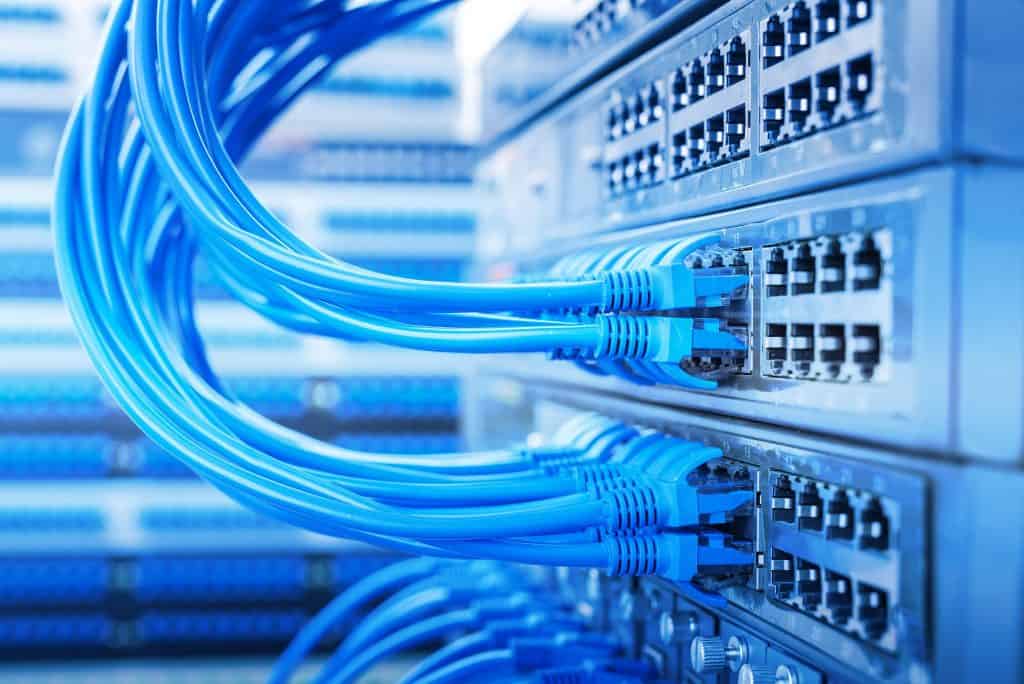
Your company SAFER
For small, medium and large companies, R3S has experience and knowledge to meet every need.
Our professionals are trained to deliver customized projects according to the needs of your business.
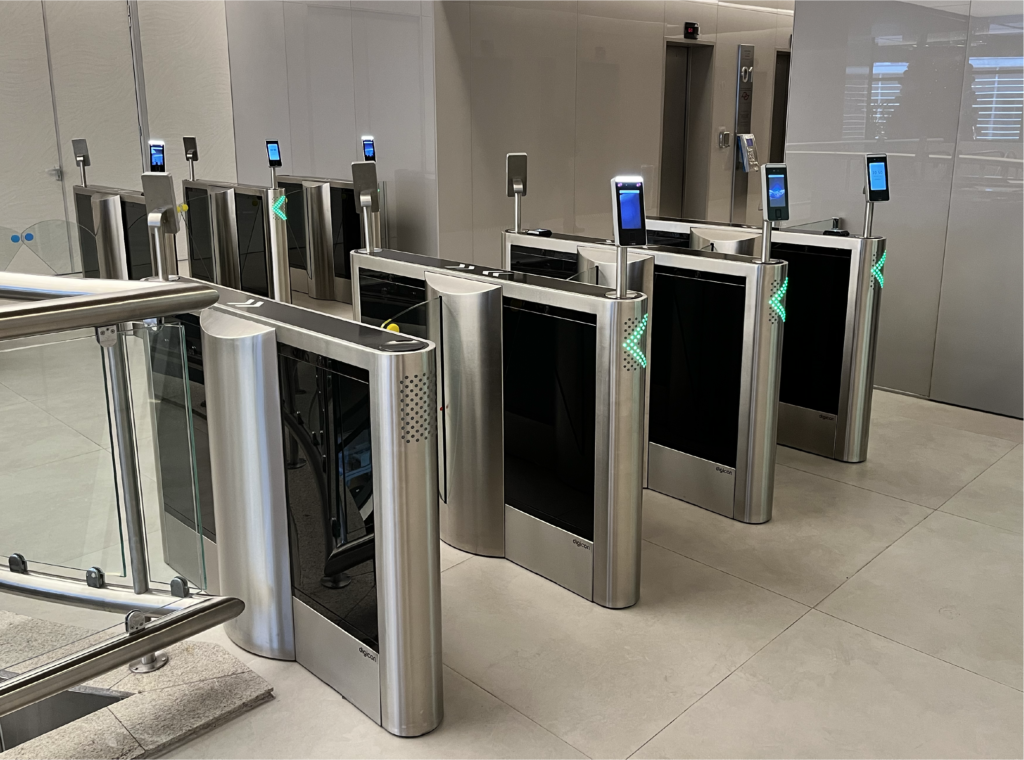
ACCESS CONTROL
Access control for companies refers to the set of measures and systems implemented to manage and regulate the access of people and resources within a business environment. These measures may include technologies such as identification cards, electronic locks, facial recognition systems, surveillance cameras, among others.
BENEFITS
• Enhanced security, protecting against unauthorized access, break-ins and theft.
• Protection of confidential information by restricting access to areas such as server rooms, labs or executive offices.
• Visitor management that controls and monitors visits from suppliers, customers and other external parties.
• Registration of user activities, such as entry and exit times, accessed areas and other relevant events.
• Flexibility in access management configured to grant different levels of access to different employees based on their roles and responsibilities.
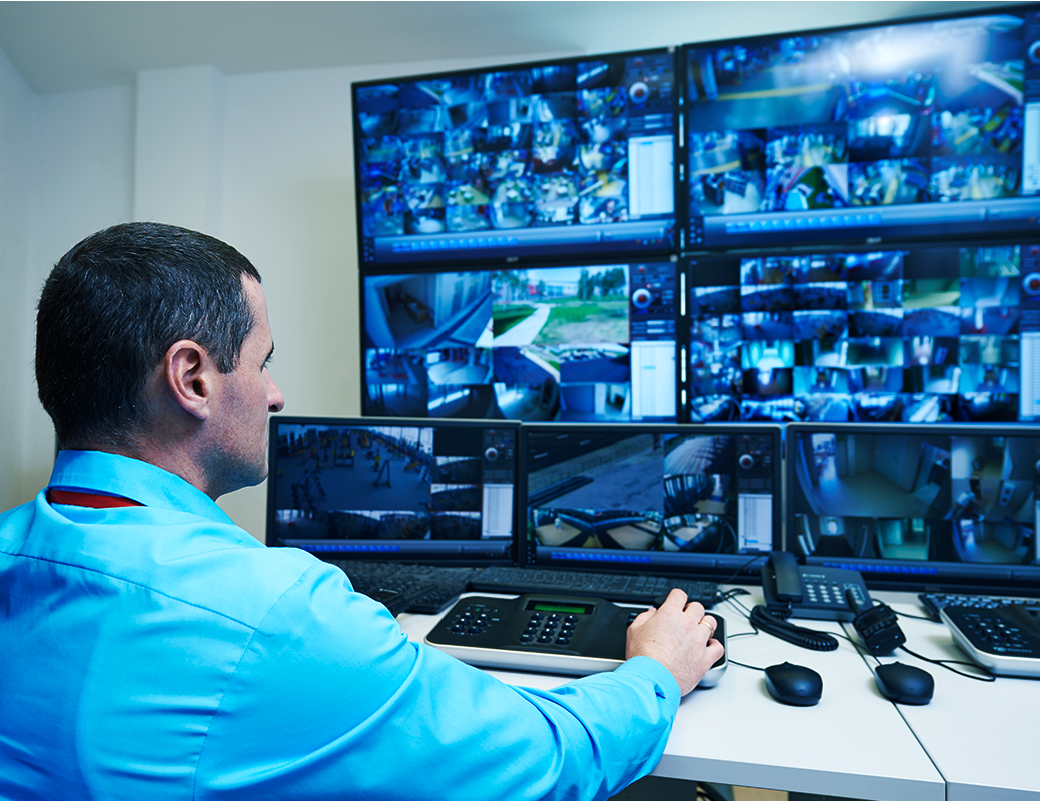
SECURITY CAMERA AND MONITORING SYSTEM
The monitoring system for companies uses technologies such as cameras, sensors and monitoring software to monitor and supervise activities and events within the business environment. This system allows real-time viewing and recording of relevant images and information for security and management purposes.
BENEFITS
• Prevention of crimes such as robberies, thefts and vandalism. Criminals are less likely to carry out illegal actions in monitored locations.
• Identification of intruders who try to access restricted areas or violate company security. Recorded images can serve as evidence.
• Real-time monitoring, making it possible to quickly detect and respond to incidents such as thefts, assaults or security issues.
• Monitoring of the company’s internal processes, such as production, logistics and customer service. Optimizing processes and improving operational efficiency.
• Remote monitoring of cameras and surveillance systems via mobile devices or computers.
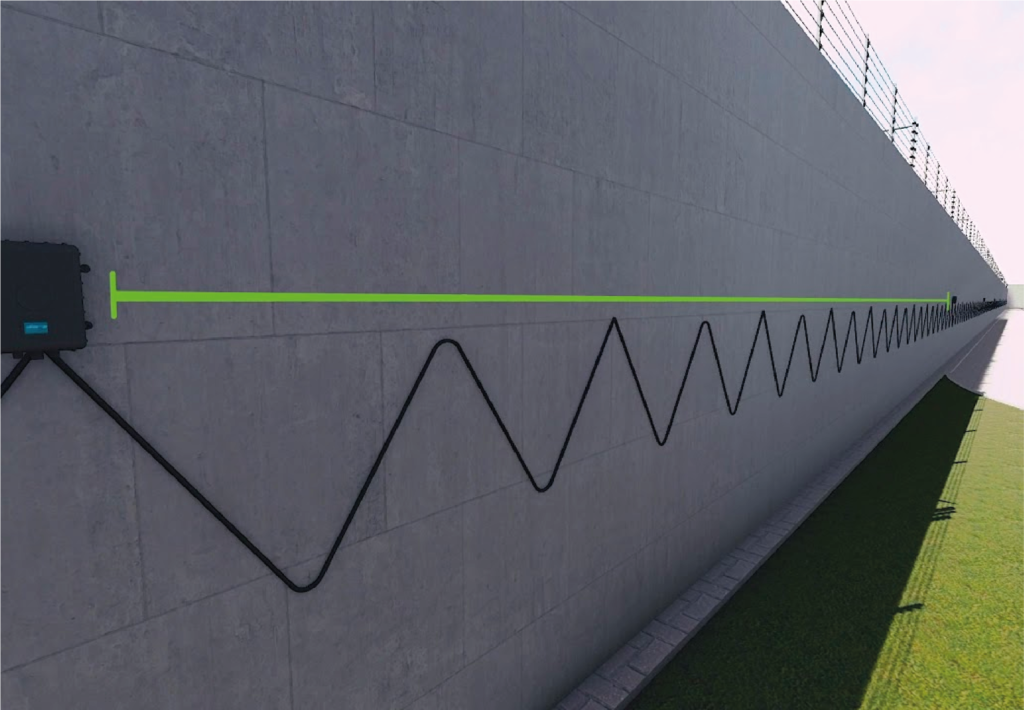
PERIMETER SECURITY
Perimeter protection for businesses uses strategies implemented to protect the outdoor areas and physical boundaries of business premises. This includes the application of physical barriers, such as fences, gates, intrusion detection and monitoring systems, with the aim of preventing and detecting suspicious activities or intrusions.
BENEFITS
• Physical barriers and detection systems are installed to prevent intrusions and protect your assets, employees and information.
• Early threat detection with motion sensors, surveillance cameras and alarm systems.
• Prevenção de roubos e vandalismo com barreiras físicas e sistemas de segurança que desencoraja comportamentos ilícitos.
• Prevent theft and vandalism with physical barriers and security systems that discourage illicit behavior.
• Continuous monitoring of external areas, facilitating the investigation of incidents, the identification of suspicious patterns and the review of images for auditing purposes.
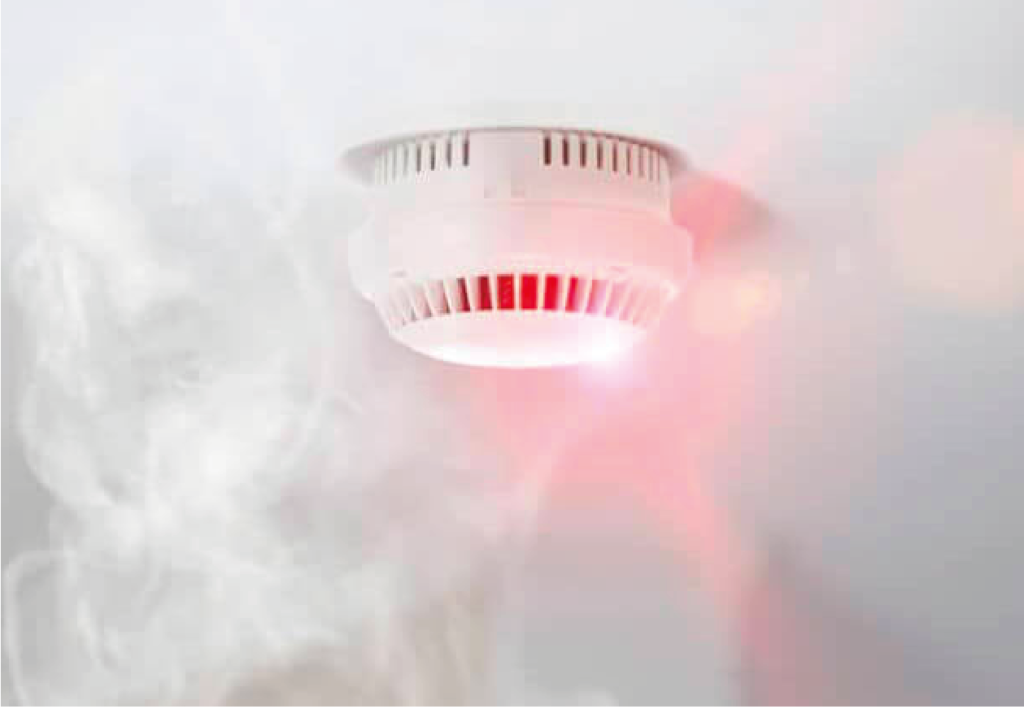
ALARM, DETECTION AND FIRE FIGHTING
Essential systems and measures to protect your business against fires and minimize the damage caused by them. These systems include a variety of equipment and protocols that help identify, alert and fight fires quickly and effectively.
BENEFITS
•The fire system detects, alerts and combats the presence of smoke, heat or flames, ensuring safe and quick evacuation of the building.
• Protects assets by identifying fires in the early stages, preventing the fire from spreading and causing significant damage to company assets.
• Compliance with safety regulations, complying with rules and laws, avoiding fines and penalties.
• Reduction in response time, with early detection of fires, automatically activating mechanisms such as sprinklers and fire suppression systems.
• Business continuity, reducing downtime, facilitating the resumption of business activities as quickly as possible.
STRUCTURED CABLING
Structured cabling is a standardized approach to installing enterprise communications networks. It consists of organizing and installing cables, connectors and network devices in an efficient and scalable way.
BENEFITS
• Organized and standardized infrastructure, it is possible to add or move devices in a simple way, without the need for major changes in the physical infrastructure.
• Improved network performance, ensuring a reliable, high-speed connection to network devices.
• Ease of management to identify and troubleshoot connectivity issues for more efficient maintenance and upgrades.
• Long-term cost savings by reducing downtime, rework and minimizing maintenance costs.
• Support for different services through a single infrastructure, simplifying the integration of services allowing efficient communication.
• Preparing for future demands in a flexible and scalable way, allowing the incorporation of emerging technologies, such as the Internet of Things (IoT), advanced wireless networks and higher transmission speeds, without the need for restructuring.