Your safest CONDOMINIUM
We are leaders in highly complex integrations, our focus is to take care of your condominium through agile processes and an innovative vision.
Our projects are unique and seek to provide the well-being of the tenants, promoting the development of the enterprise in a sustainable and technological way, increasing the quality of life of the people who live there.
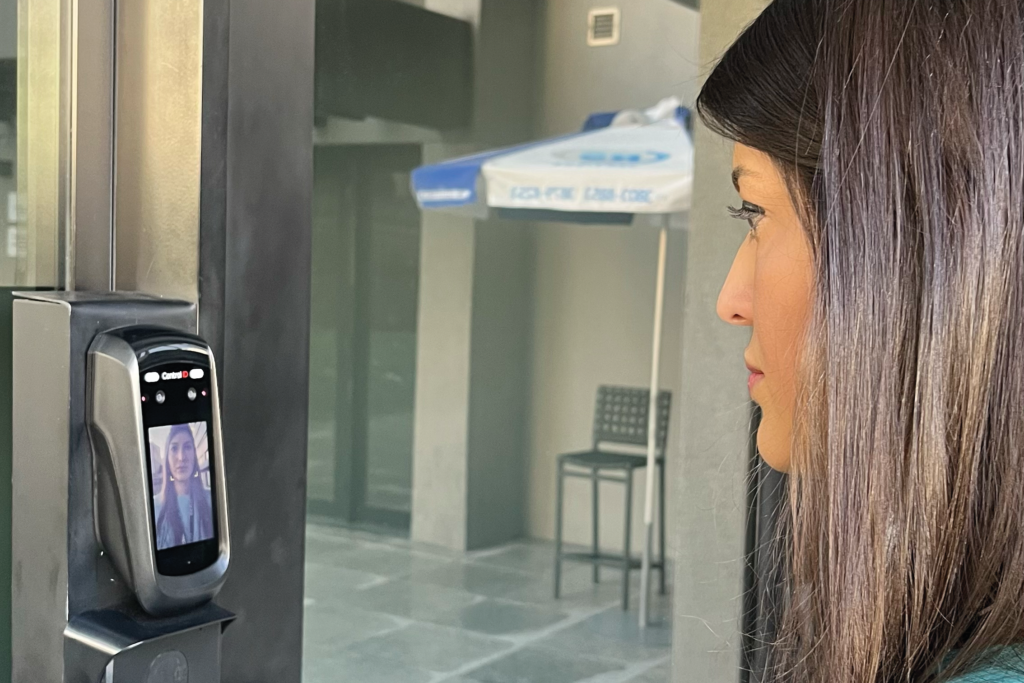
ACCESS CONTROL
Condominium access control refers to the set of measures and systems implemented to manage and regulate the access of people and resources within a residential environment. These measures may include technologies such as vehicle tags, electronic passwords, facial recognition systems, surveillance cameras, among others.
BENEFITS
• Enhanced security, protecting against unauthorized access, break-ins and theft.
• Protection collective assets of the condominium, restricting access to common areas, parking lots and garages, ballrooms, gyms, swimming pools and access to residents’ apartments or homes.
• Visitor management that controls and monitors visits from friends and family of tenants/owners and also service providers.
CONTROLE DE ACESSO EM ELEVADOR
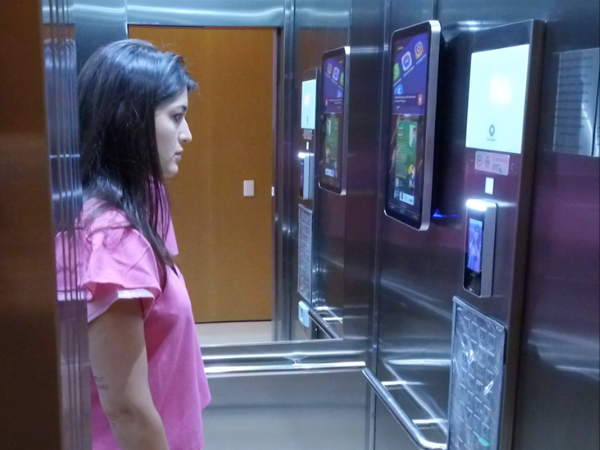
Elevator access control is a system that restricts access to certain floors or specific areas of a development using elevators. It is a security measure designed to control and monitor the movement of people within a building, usually in places where there is a need to restrict access, such as high-end residential buildings. R3S specializes in this type of solution and uses the facial recognition system integrated into the access control.
BENEFITS
• Enhanced security: Access control in elevators restricts access to specific areas, ensuring that only authorized persons can enter certain floors. This reduces the risk of intrusions, vandalism, theft and other security incidents.
• People flow management: The access control in elevators allows the efficient management of the flow of people within the enterprise. Systems can be configured to grant different levels of access to different users, ensuring that only the right people can access certain floors or areas.
• Convenience and comfort: tenants of developments with this type of solution do not need keys, passwords or other devices to access their apartments, only authorized persons can access them.
SECURITY CAMERA AND MONITORING SYSTEM
A surveillance system with cameras for a condominium is designed to provide security and surveillance in common areas and access points. Cameras can be analog or digital, depending on the choice of monitoring system. Currently, the trend is to use IP cameras, which provide high quality images and are connected to the condominium network and connected to a recording system. Recorded footage can be stored locally or in the cloud, depending on condominium preference and capacity.
BENEFITS
• Prevention of crimes such as robberies, thefts and vandalism. Criminals are less likely to perform illicit actions in monitored locations.
• Continuous surveillance, 24 hours a day, 7 days a week. The cameras capture activities in real time, allowing a quick response to any incident or emergency situation that occurs in the condominium.
• Integration with access control systems, such as face readers. This allows you to monitor who enters and leaves the condominium, identifying possible intruders or unauthorized persons.
• Litigation prevention: In situations where disputes or complaints occur between residents, camera recordings can serve as objective evidence to clarify what happened and resolve problems more fairly and impartially, avoiding prolonged litigation.

PERIMETER SECURITY
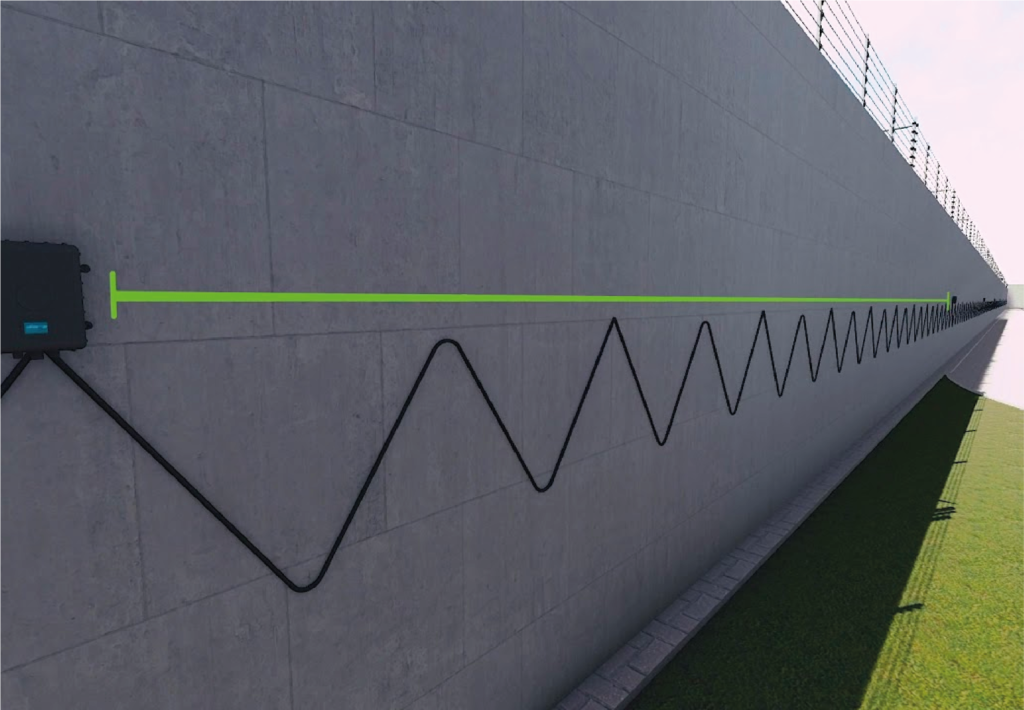
A perimeter security system for condominiums is designed to protect the external area of the condominium with intrusion detection and monitoring systems, with the aim of preventing and detecting suspicious activities or invasions.
BENEFITS
• Detecção precoce de ameaças com sensores de movimento, câmeras de vigilância e sistemas de alarme.
• Prevenção de roubos e vandalismo com barreiras físicas e sistemas de segurança que desencoraja comportamentos ilícitos.
• Controle de acesso mais rigoroso nas instalações contribuem para a segurança e garantem que apenas pessoas autorizadas tenham acesso às áreas restritas.
• Monitoramento contínuo das áreas externas, facilitando a investigação de incidentes, a identificação de padrões suspeitos e a revisão de imagens para fins de auditoria.
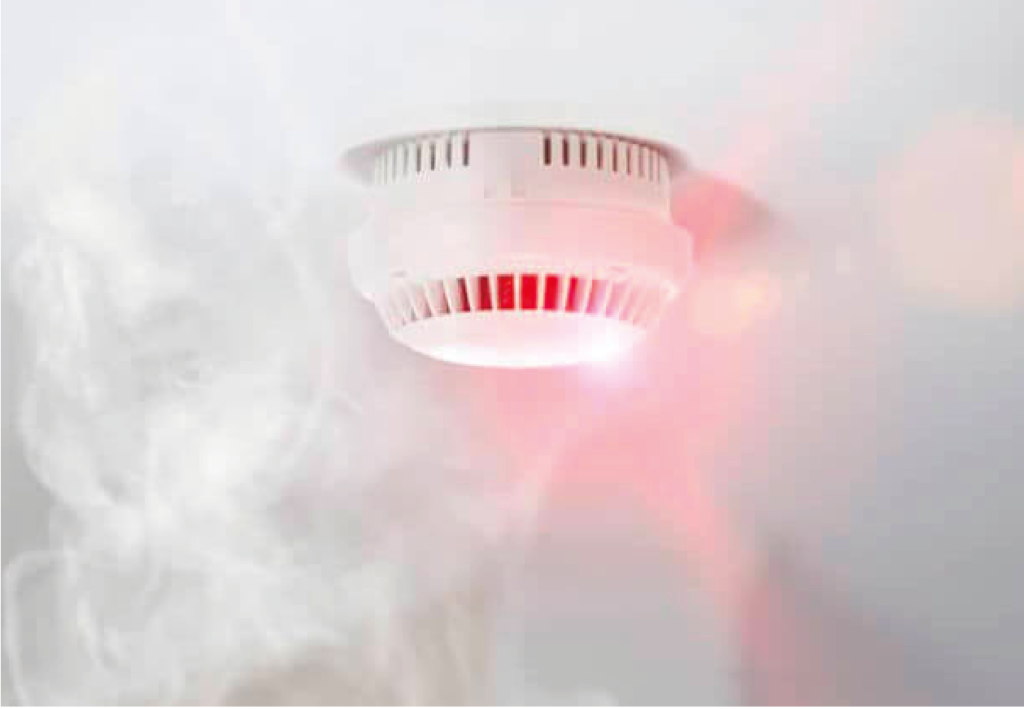
ALARM, DETECTION AND FIRE FIGHTING
Essential systems and measures to protect your business against fires and minimize the damage caused by them. These systems include a variety of equipment and protocols that help identify, alert and fight fires quickly and effectively.
BENEFITS
•The fire system detects, alerts and combats the presence of smoke, heat or flames, ensuring safe and quick evacuation of the building.
• Protects assets by identifying fires in the early stages, preventing the fire from spreading and causing significant damage to company assets.
• Compliance with safety regulations, complying with rules and laws, avoiding fines and penalties.
• Reduction in response time, with early detection of fires, automatically activating mechanisms such as sprinklers and fire suppression systems.
STRUCTURED CABLING
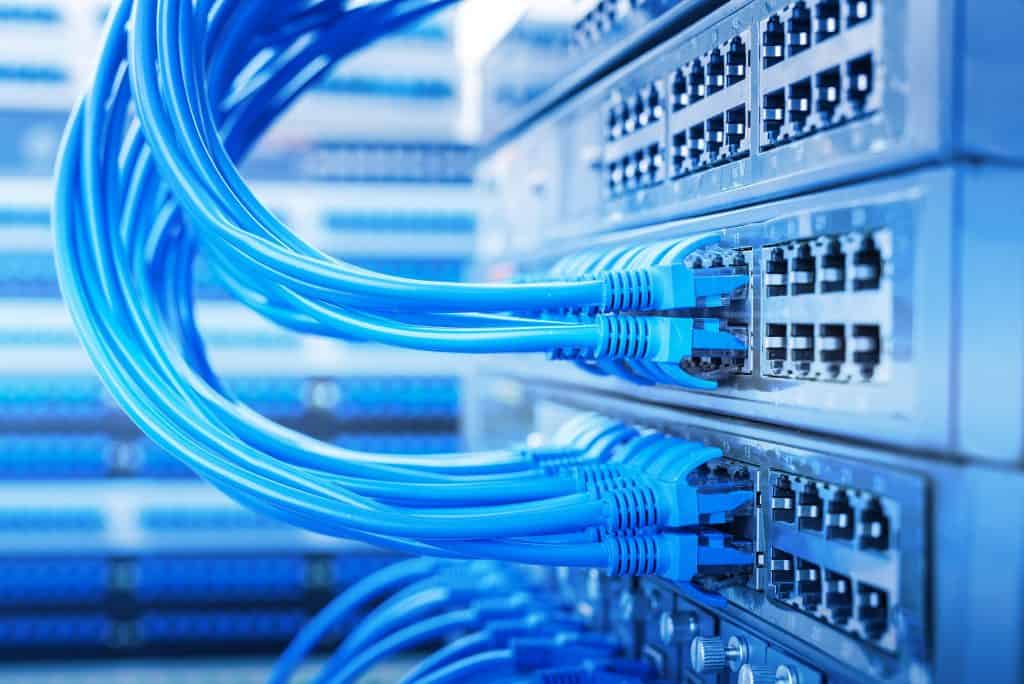
Structured cabling is a standardized approach to installing communication networks. It consists of organizing and installing cables, connectors and network devices in an efficient and scalable way.
BENEFITS
• Organized and standardized infrastructure, it is possible to add or move devices in a simple way, without the need for major changes in the physical infrastructure.
• Melhor desempenho da rede, garantindo uma conexão confiável e de alta velocidade para os dispositivos de rede.
• Improved network performance, ensuring a reliable, high-speed connection to network devices.
• Long-term cost savings by reducing downtime, rework and minimizing maintenance costs.
• Support for different services through a single infrastructure, simplifying the integration of services allowing efficient communication.
• Preparing for future demands in a flexible and scalable way, allowing the incorporation of emerging technologies, such as the Internet of Things (IoT), advanced wireless networks and higher transmission speeds, without the need for restructuring.